




Vaporization is breaking records in popularity today, but it’s worth knowing that its history started relatively recently. While inhalation itself is a method of using herbs known thousands (!) of years ago, the use of electronic vaporizers has been known only for a short time.
What will you learn from this article?
👉 How did the evolution of electronic vaporizers look like in recent years?
👉 What direction could the vaporization industry take in the future?
Table of contents:
The last ten years were a time when the vaporizer market developed rapidly. Let’s see how vaporizers changed over the last ten years!
2008-2010 – rise in popularity of vaporizers
Although the history of vaporization began earlier, it’s worth mentioning the year 2008, when the IOLITE vaporizer was released on the market, released by Oglesby and Butler.

IOLITE was probably the first portable vaporizer on the market – but it was a butane-powered model.
Another important moment was the appearance of Magic Flight Launch Box Vaporizer. It is a device with a unique appearance, which is very close to what we know today.
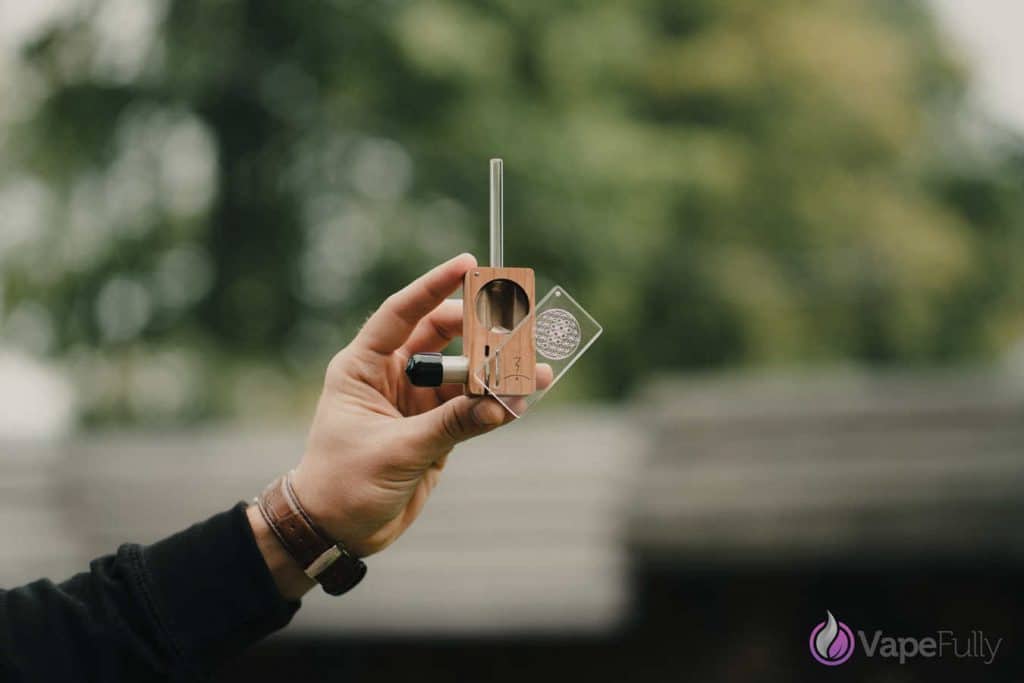
Unfortunately, in the case of these devices, some problems appeared – for example, the battery in MFLB was not as capacious as one could expect and the device itself was relatively inconvenient to use.
2011-2014 – lithium-ion batteries for vaporizers
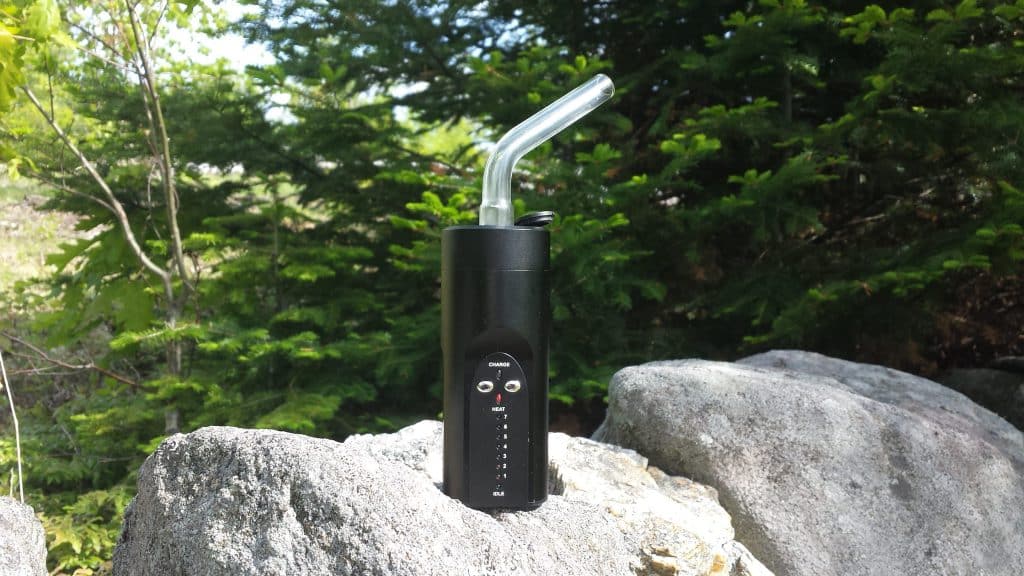
In 2011, the Arizer Solo Vaporizer appeared on the market, which was equipped with a lithium-ion battery, which could last even two hours of inhalation. This was a huge breakthrough, which provided users with comfort.
Arizer Solo had many other advantages, including guaranteed excellent vapor flavor. This device is appreciated to this day. Many other models also appeared, such as DaVinci, PAX and Firefly.
In 2014, Crafty and Mighty – portable vaporizers from Storz & Bickel, manufacturers of the famous Volcano – saw the light of day.



2015-2017 – time for improving vaporizers
The following years were a time when vaporizer manufacturers were applying increasingly better solutions. Subsequent devices were characterized by better parameters, and users could enjoy vaporization at an increasingly higher level and control vaporizers using mobile applications.
A breakthrough came in 2016, when many second-generation vaporizers appeared on the market, including Firefly 2 Vaporizer – the first vaporizer that handled concentrates just as well as dry herbs.
In 2016, PAX 3 also appeared, and its biggest competitor was also released, which is DaVinci IQ Vaporizer, which was considered one of the best vaporizers in the world. Extremely small, surprisingly intelligent vaporizers with enormous capabilities quickly gained a wide circle of supporters.
DaVinci IQ was praised, among others, in the pages of Forbes magazine. New technologies and advanced solutions applied in this device set a completely new path for other vaporizer manufacturers.




2018-2020 – Perfect vaporizers!
In 2018, Ghost MV1 became available worldwide, which was previously only available on the American market.
It was a breakthrough when it comes to on-demand vaporizers, however, for unclear reasons, its manufacturer announced bankruptcy in spring 2020.
Over the past two years, vaporizers with capabilities have appeared on the market that no one dared to dream about ten years ago.
It is worth noting that vaporization has become popular relatively recently, so one might assume that in the coming years, manufacturers will surprise us more than once. It’s interesting what the next years will bring!
If you’d like to read more about the history of vaporizers – check out our article about the history of Storz&Bickel – the manufacturer of the cult Volcano.

 (4.7/5)