

Cannabis has sparked debate for years. It’s surrounded by countless myths, legends, half-truths, and oversimplifications. It tends to be portrayed in extremes: either as something completely harmless, or as an exceptionally dangerous substance. What’s the reality? Here’s a clear overview of the basic facts: what it is, how it works, and what its current legal status looks like.
This article is educational in nature. It does not encourage breaking the law or using psychoactive substances.
Summary
- Cannabis is a dried plant material containing THC – a psychoactive substance that affects mood, perception, and attention, among other things. Not every cannabis product has an intoxicating effect, which is why it’s important to distinguish cannabis from industrial hemp and CBD products.
- The legal status of cannabis varies greatly across Europe. Some countries, like Germany and the Czech Republic, have recently legalized recreational use under specific conditions. Others maintain strict prohibitions. Medical cannabis is legal in many EU countries.
- Short-term effects of cannabis can include relaxation, euphoria, and increased appetite, but also anxiety, impaired concentration, memory, and coordination. For this reason, you should not drive or operate machinery after use.
- Cannabis can be addictive, and frequent use is associated with risks to memory, motivation, mood, and mental health. It can be particularly risky for young people and those predisposed to psychosis.
Table of contents:
- What is cannabis?
- Medical cannabis
- Short-term effects of cannabis use
- Long-term effects of cannabis use and its impact on health: risks and possible harms
- Cannabis strains
- Cannabinoids
- Terpenes and the aroma profile of cannabis
- Ways of consuming cannabis
- A brief history of cannabis
- Legal status of cannabis in Europe and around the world
- Sources
What is cannabis?
Cannabis (colloquially: “weed”, “herb”, “pot”, “grass”, “bud”, “green” etc.) is a natural dried plant material derived mainly from the flower clusters and other parts of plants of the Cannabis genus. It contains active substances, most notably THC – a psychoactive compound responsible for most of the characteristic effects of cannabis.
In practice, the word cannabis is used more broadly than in strict botanical and legal terms. Most often it simply refers to cannabis products intended for recreational or medical use.
It’s worth distinguishing between concepts:
- cannabis is the name of the plant,
- cannabis is also the broader term used in science and international contexts,
- cannabis (in common usage) most often refers to dried cannabis containing THC.
This matters because not every cannabis product is psychoactive, and not every one is subject to the same legal restrictions.
Where does cannabis come from?
Cannabis is a product that originates naturally from the cannabis plant. It most often results from drying the flower clusters and other plant parts that contain high concentrations of cannabinoids – especially THC.
However, not every cannabis plant is “cannabis” in the recreational sense. Industrial hemp refers to varieties with very low THC content, used in industry, while cannabis in common usage refers to dried material from high-potency varieties.



Is cannabis a drug?
Cannabis is a drug in the colloquial sense, or more precisely: it is a psychoactive substance because it affects mental processes such as perception, mood, attention, and memory. The main compound responsible for this is THC. Products containing it can alter the way you think, feel, and perceive.
Cannabis is often referred to colloquially as a “soft drug” because its risk profile is generally assessed as lower than many other substances, especially alcohol, opioids, or stimulants. That said, this doesn’t mean it’s risk-free.
Cannabis may be considered less harmful than some other psychoactive substances, but that doesn’t mean it’s without health impact or addictive potential!
What does cannabis look like? How do you recognize cannabis?
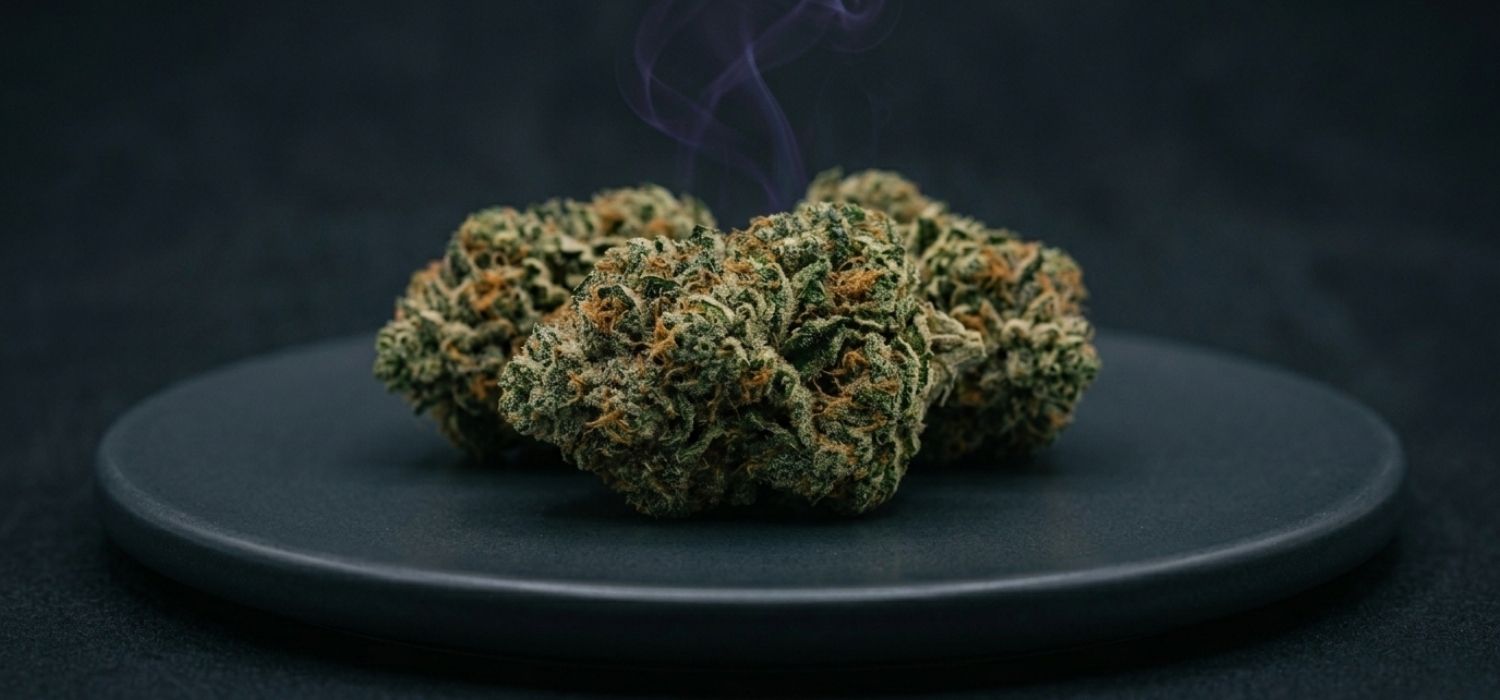
Cannabis most often simply looks like dried plant material with a green, greenish-brown, greenish-yellow, or greenish-grey color. It usually takes the form of small, sticky plant fragments, primarily consisting of flower clusters, sometimes with small leaves, stems, or other plant fibers. The appearance of cannabis can vary greatly: the dried material may be lighter or darker, more fluffy or compact, with more or fewer visible plant elements.

Identifying cannabis by appearance alone gives no certainty about its composition, THC or CBD content, or its legal status! Different types of dried cannabis (including legal, low-THC products) can look very similar. This is why appearance alone is never enough for a reliable assessment of what you’re actually dealing with.
What does cannabis smell like?
The smell of cannabis as a dried material is usually intense, “heavy,” distinctly plant-like, and quite characteristic. It’s most often described as a blend of freshly ground herbs, resin, earth, humus, pine needles, or citrus peel. The primary compounds responsible are terpenes – natural aromatic compounds found in cannabis. For some, the scent of cannabis is pleasant; for others it can be irritating, suffocating, and unpleasant.
After burning, the smell becomes even stronger, more pungent, and lingers long in the air, on clothing, and in enclosed spaces.
Is hash the same as cannabis?
No, hash and cannabis are not the same thing, even though both come from the cannabis plant and have psychoactive effects.
The difference lies in the form of the raw material: cannabis is dried plant material, while hash is compressed or processed cannabis resin. This distinction is also reflected in drug laws in many countries – the plant material (herb) and the resin (hash) are typically listed separately.
Medical cannabis
The term “medical cannabis” refers to the use of cannabis or cannabinoids in a strictly medical context: following a physician’s assessment, for a specified indication, at a defined dosage, and under therapeutic supervision. Medical cannabis doesn’t differ “in nature” from recreationally used cannabis, but has a different legal status. In a treatment context, what matters is a standardized chemical composition, high-quality raw material, and predictable effects.
Medical cannabis can help with pain, muscle tension, nausea, and certain neurological symptoms, among others. The strongest and best-documented applications today relate primarily to certain types of drug-resistant epilepsy, spasticity in multiple sclerosis, and nausea and vomiting associated with chemotherapy. In chronic pain, the picture is more complex: some patients report improvement, but the quality of evidence is not clear-cut.
Medical use clearly differs from recreational use in terms of the recommended administration method (preferred methods allow for precise dose control, such as oral preparations, extracts, or vaporization).
In countries where medical cannabis is legal, it typically requires a prescription following a medical examination. Availability depends on the healthcare system, specific regulations, and costs – which for some patients may still be a barrier.
Short-term effects of cannabis use
Depending on the dose, THC content, route of administration, and individual sensitivity, the effects of cannabis can include:
- Altered perception – sounds, colors, stimuli, and the passage of time may be experienced differently than usual. Some people also describe more vivid sensory experiences or a sense of slowed time;
- Mood changes – some people experience relaxation, loosening up, improved mood, or euphoria. Others may experience tension, restlessness, anxiety, dysphoria, distrust, or even panic;
- Impaired concentration and divided attention – it becomes harder to maintain focus, track multiple things at once, and react quickly to changing situations;
- Weakened short-term memory – after use, it’s harder to absorb new information and recall what happened moments earlier;
- Psychomotor slowing and extended reaction times – the body responds more slowly to stimuli, and situation assessment may be less accurate;
- Impaired motor coordination – as well as balance and precision in performing tasks;
- Altered thinking and situational judgment – distraction, difficulty making decisions, poorer judgment, and temporary changes compared to normal thinking patterns may occur;
- Drowsiness and calm, or conversely: stimulation and increased sociability – these reactions aren’t constant and can differ between individuals;
- Increased appetite;
- Increased heart rate immediately after use;
- Dry mouth, red eyes, and other short-term physical symptoms – the intensity of these can vary.
In practice, the short-term effects of cannabis use are not purely “positive” or “negative.” The same product can mean relaxation and improved mood for one person, and tension, anxiety, or clearly impaired concentration for another.
Safety considerations are particularly important. Cannabis can impair driving ability and the operation of machinery, as it affects reaction time, coordination, attention, distance judgment, and decision-making.
Long-term effects of cannabis use and its impact on health: risks and possible harms
The long-term effects of cannabis use don’t look the same for everyone and depend heavily on frequency and duration of use, age of onset, product potency, and individual susceptibility.
In terms of functional impact, the most commonly discussed association is between frequent cannabis use and a higher risk of issues such as chronic reduction in motivation, poorer wellbeing, difficulty with concentration, attention, and memory, as well as worse academic or work performance.
Mental health is also an important topic. Research indicates that frequent and long-term use – especially daily use and high-THC products – is associated with a higher risk of psychosis and other mental disorders. This doesn’t mean every user will develop them, but the data points to a significant correlation. In adults who use infrequently, the effects may be limited or less pronounced.
Contraindications to cannabis use
The most commonly cited contraindications to cannabis use include:
- Pregnancy and breastfeeding – this is one of the most important contraindications. Cannabis use during pregnancy is associated with a higher risk of certain complications, especially lower birth weight, prematurity, and developmental problems. THC passes through the placenta and into breast milk, which is why medical organizations recommend avoiding cannabis during pregnancy and breastfeeding. Cannabis is also not recommended if you’re trying to conceive;
- Children and adolescents – during adolescence the brain is still developing, so regular cannabis use is associated with greater risk of adverse effects on attention, memory, and learning;
- Mental illness – particular caution is warranted for people with psychosis, schizophrenia, bipolar disorder, depression, anxiety disorders, or mood disorders, as cannabis can exacerbate their symptoms and trigger relapses;
- Heart and cardiovascular disease – cannabis can affect heart rate and the cardiovascular system, so caution is needed with existing cardiac conditions;
- Respiratory conditions – particularly with inhaled forms, which may place additional strain on the lungs;
- Use of certain medications – potential drug interactions need to be considered. Both THC and CBD can affect the action of certain preparations. The most commonly cited groups include: anticoagulants and antiplatelet drugs, some antiepileptic medications, and drugs with central nervous system depressant effects, such as benzodiazepines, sleep aids, and opioids.
Addiction, CUD, and withdrawal effects
Cannabis addiction is a real phenomenon and in medicine it is described as CUD (Cannabis Use Disorder). This isn’t just about frequent use of cannabis and THC-containing products – it’s about a situation where use becomes difficult to control, starts to dominate other areas of a person’s life, and continues despite clear harms. The risk is greater with frequent use, young age of onset, and high-THC products. Typical symptoms of CUD include a strong urge to use, difficulty limiting or stopping, neglect of responsibilities, continued use despite problems in relationships, school, or work, and developing tolerance.
When stopping regular cannabis use, a withdrawal syndrome may appear. Its most commonly described symptoms include:
- Reduced concentration, irritability, headache;
- Sleep problems;
- Excessive sweating (especially during sleep);
- Restlessness, feeling of tension;
- Low mood or dysphoria;
- Reduced or even complete loss of appetite;
- Irritability and general discomfort;
- Gastrointestinal complaints.
It doesn’t have to look the same for everyone, but the withdrawal syndrome is well-documented in the literature and is one of the reasons why quitting cannabis can be difficult.
CHS
CHS (Cannabinoid Hyperemesis Syndrome) is a group of symptoms associated with long-term, frequent cannabis use. The most characteristic symptoms are recurring episodes of severe nausea, vomiting, and abdominal pain, which can lead to dehydration and require medical attention. CHS is an important but still rarely discussed topic – it is often confused with other gastrointestinal problems, and a diagnosis often comes only after some time.
The only effective method for CHS is currently stopping cannabis use – otherwise symptoms tend to recur. During an acute episode, treatment focuses on hydration and symptom control (classic antiemetics are not very effective). Capsaicin cream can help, and some people find temporary relief from hot baths.
Cannabis strains
Currently, cannabis strains are most commonly divided into: indica, sativa, and hybrids. This is more of a simplified practical classification than a precise taxonomy – the effect of a given strain doesn’t derive from its name, but from its specific chemical composition, primarily the ratio of THC to CBD and the presence of other cannabinoids and terpenes.
Indica
The name indica comes from an older botanical classification of cannabis. Historically, it referred to plants described as shorter, stockier, more densely branched, with broader leaves than typical sativa. In practice, they were also associated with cultivation in harsher conditions and with producing more resin.
Over time, the term indica came to function not only as a botanical label but also as a shorthand description of a certain effect profile. Strains sold as indica are usually presented as more relaxing. They are more often associated with muscle relaxation, a feeling of body heaviness, slowing down, increased appetite, and greater drowsiness than strains described as sativa. This is why they’re colloquially described as more “evening” strains.
Sativa
From a botanical perspective, sativa refers to plants described as taller, slimmer, less compact, and with narrower leaves than indica varieties. In practice, however, the term has come to primarily refer to strains with a more “stimulating” or “daytime” character.
Sativa is associated with a greater sense of energy, lightness, increased mental activity, talkativeness, heightened creativity, and less drowsiness than indica strains. On the other hand, for some people this profile can also come with tension, irritability, or racing thoughts – especially at high THC content.
Hybrids
The majority of modern cannabis strains are hybrids – crosses of different cannabis lines, both sativa and indica. They were developed to gain greater control over selected plant characteristics: such as growth, flowering time, resilience, aroma, THC and CBD content, or a specific effect profile.
A hybrid can be more relaxing, stimulating, or relatively balanced – it all depends on the specific strain and its chemical composition.
Cannabinoids
Cannabinoids are a group of naturally occurring chemical compounds found in cannabis. They are largely responsible for cannabis’s biological effects, and some of them for its psychoactive effects as well.
Cannabis contains over 100 different cannabinoids, and medical sources emphasize that they shape the effects of cannabis on the body to the greatest degree. The best known are THC, CBD, and THCA:
THC
THC, or tetrahydrocannabinol (specifically: delta-9-THC), is the main compound responsible for the psychoactivity of cannabis. It is primarily responsible for the typical effects of cannabis use: changes in mood, perception, concentration, and the sense of time.
In practice, the effect of THC depends not only on the presence of the compound itself, but also on its concentration, dose, route of administration, and individual sensitivity. The higher the THC content in the dried flower or extract, the stronger and generally less predictable the effect on the body.
CBD
CBD, or cannabidiol, is one of the main cannabinoids found in cannabis. Unlike THC, it is not classically intoxicating. It can affect the body, but its effects are different. Some people describe them as more subtle, without the altered consciousness typical of high-THC cannabis.
The documented medical applications of CBD are fairly narrow. The strongest evidence relates to the treatment of certain rare forms of epilepsy. CBD is discussed in the context of chronic pain, anxiety, insomnia, inflammation, and neurological symptoms, but for most of these applications the evidence is still limited. Some research and reviews suggest that CBD may partially mitigate certain unwanted effects of THC in some people, such as excessive tension or psychological discomfort.
CBD products are legal in many countries, provided they meet the requirements for THC and THCA content set by local regulations.
THCA
THCA (tetrahydrocannabinolic acid) is a precursor to THC – a chemical compound present in fresh cannabis that converts into delta-9-THC through decarboxylation, a process triggered by time, drying, and heat.
Other cannabinoids
It’s worth remembering that cannabis is not a single molecule, but a mixture of many chemical compounds. Cannabis also contains significant quantities of other, less well-understood cannabinoids, such as CBG, CBN, and CBC. Together with terpenes, they contribute to the final appearance, scent, profile, and intended use of the product – however, they are neither as thoroughly researched as THC and CBD, nor do they exert as strong an effect on the body.
Terpenes and the aroma profile of cannabis
Terpenes are natural aromatic compounds found in cannabis (and many other plants). They are largely responsible for the smell of cannabis and the specific aromatic profile of a given strain. These can include herbal, citrusy, resinous, earthy, piney, and many other notes.
Terpenes are not solely responsible for the smell of cannabis – research into their biological role is still ongoing!
Ways of consuming cannabis
There are various ways to consume cannabis, but the most commonly mentioned are smoking, vaporization, and “edibles” – food products containing THC. They differ in onset time, duration of effects, and the nature of the effects themselves.
Vaporization
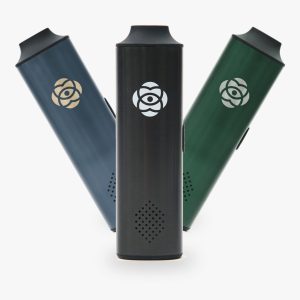
Vaporization is one method of administering THC in which dry herb cannabis or an extract is heated (rather than burned) in a specialized device – a dry herb vaporizer. This means you inhale an aerosol containing the active compounds rather than smoke. The absence of combustion can reduce exposure to some of the byproducts produced in smoke, but this doesn’t mean vaporization is completely without health impact.
Edibles
With oral consumption of THC (in the form of food products, so-called “edibles“), the effect appears later than with inhalation, because the active substances must first pass through the digestive system and hepatic metabolism. This is why people talk about a delayed effect, which can also last longer than with inhalation, and whose course can be less predictable.
It’s also important to note that THC is a lipophilic compound, meaning it dissolves well in fats but poorly in water. This means that eating cannabis without first properly preparing it (binding it with fat) won’t produce any effects.
Smoking
Smoking cannabis is the classic (and probably most popular) method of consumption. It involves burning the dried material and inhaling the smoke. It works quickly because the active substances reach the body via inhalation, but harmful combustion byproducts are also inhaled alongside them. From a health perspective, smoke is the most important difference compared to other methods of consumption – smoked cannabis can damage lung tissue and small blood vessels, and cause respiratory problems.
Compared to classic smoking, heating extracts or oils (without combustion) is sometimes considered a somewhat more favorable alternative, as it reduces contact with some compounds present in smoke. However, this doesn’t mean there’s no risk at all.
A brief history of cannabis
Cannabis was an important useful plant for thousands of years: it was used to produce fibers, ropes, fabrics, and oil, but also in medicine and religious ceremonies. It was known in ancient China and India. Hemp cultivation had significant economic importance across Europe and many parts of the world throughout history.
For a long time, cannabis simply functioned as one of many plants cultivated by humans. The change came only in the 20th century, when cannabis began to be increasingly treated as a substance requiring control. Three things played a major role here: the development of global anti-drug policy, health concerns related to non-medical use, and states’ drive to place psychoactive substances under strong oversight. A turning point was the Single Convention on Narcotic Drugs of 1961, which incorporated cannabis into the global drug control system. From that moment, its history for decades was primarily a history of penalization.
Only in 2020 did the UN Commission on Narcotic Drugs, following a WHO review, remove cannabis and cannabis resin from the most restrictive category (Schedule IV), recognizing that they have therapeutic applications. At the same time, cannabis remains a substance subject to strict international control.
Today, cannabis remains the most commonly used illegal substance in Europe and worldwide. On one hand, many countries maintain a ban on recreational use or restrict it heavily. On the other – the number of countries permitting medical cannabis is growing.
Legal status of cannabis in Europe and around the world
Approaches to cannabis vary enormously around the world and are rapidly changing. The broad trend in Europe is toward decriminalization and partial legalization, though the pace and scope differ significantly between countries.
Germany – fully legalized since 2024
Germany introduced one of the most significant reforms in Europe: since 1 April 2024, under the Cannabis Act (KCanG), adults aged 18+ can legally possess up to 25g in public and 50g at home, and cultivate up to 3 plants for personal use. Non-commercial cannabis social clubs (Anbauvereinigungen) are permitted for collective cultivation. Sale through commercial retail remains prohibited for now.
Czech Republic – legalized from 2026
The Czech Republic has long been one of the more permissive countries in the region. From 1 January 2026, recreational cannabis is legal for adults aged 21+: possession of up to 25g in public and 100g at home is permitted, along with cultivation of up to 3 plants. The Czech Republic had already decriminalized possession of small amounts for personal use prior to this reform.
Netherlands – tolerance policy (gedoogbeleid)
The Netherlands operates a unique tolerance policy (gedoogbeleid): the sale and possession of small amounts of cannabis at licensed coffee shops is officially tolerated, though not formally legal. Production and wholesale remain in a legal gray area. The system has existed since the 1970s and represents a pragmatic harm reduction approach, even without full legalization.
Malta and Luxembourg – legalized
Malta (2021) and Luxembourg (2023) have both legalized personal cannabis use and home cultivation for adults, making them pioneers within the EU in terms of formal legalization.
Countries where recreational cannabis remains illegal
Several European countries maintain strict prohibitions on recreational cannabis:
- Slovakia (SK) – possession and use remain criminal offenses;
- Lithuania (LT) – recreational cannabis is illegal, with criminal penalties for possession;
- France (FR) – despite periodic debate, recreational cannabis remains illegal; medical access is developing cautiously;
- Italy (IT) – recreational cannabis is illegal; the situation for CBD products has become increasingly uncertain following Decree-Law 48/2025 (D.L.48/2025), which imposed new restrictions on hemp-derived products.
Broader global context
Beyond Europe, there is significant global variation. Canada legalized recreational cannabis nationally in 2018. In the United States, cannabis remains illegal at the federal level but has been legalized or decriminalized in many states. Uruguay was the first country in the world to fully legalize cannabis nationally (2013).
At the international level, the pivotal moment came in December 2020, when the UN Commission on Narcotic Drugs removed cannabis from Schedule IV of the 1961 Single Convention – recognizing its medical and therapeutic value. This followed a formal recommendation from the WHO in 2019. Cannabis remains in Schedule I, meaning it is still controlled internationally, but the reclassification acknowledged the scientific evidence for its therapeutic uses and opened the door to broader medical access globally.
The overall trend in Europe and globally is toward decriminalization and harm reduction: moving away from criminalizing individual users and toward regulated frameworks that prioritize public health, safety, and education over punishment.


Sources
https://www.britannica.com/science/marijuana
https://nida.nih.gov/research-topics/cannabis-marijuana
https://www.who.int/publications/i/item/9789241510240
https://pubchem.ncbi.nlm.nih.gov/compound/delta9-tetrahydrocannabinol
https://www.ncbi.nlm.nih.gov/books/NBK423845
https://nap.nationalacademies.org/resource/24625/Cannabis_committee_conclusions.pdf
https://www.cdc.gov/cannabis/health-effects/driving.html
https://pmc.ncbi.nlm.nih.gov/articles/PMC4988731
https://pmc.ncbi.nlm.nih.gov/articles/PMC2801827
https://pmc.ncbi.nlm.nih.gov/articles/PMC8223239
https://www.acog.org/womens-health/infographics/marijuana-and-pregnancy
https://www.cdc.gov/cannabis/risk-factors/cannabis-and-teens.html
https://pmc.ncbi.nlm.nih.gov/articles/PMC4456813
https://pmc.ncbi.nlm.nih.gov/articles/PMC11103132
https://pmc.ncbi.nlm.nih.gov/articles/PMC6223748
https://pmc.ncbi.nlm.nih.gov/articles/PMC7347072
https://pubmed.ncbi.nlm.nih.gov/21749363
https://www.nejm.org/doi/full/10.1056/NEJMp1906409
https://pmc.ncbi.nlm.nih.gov/articles/PMC7055953
https://www.bundesgesundheitsministerium.de/themen/cannabis/cannabis-gesetz.html

 (4.7/5)