



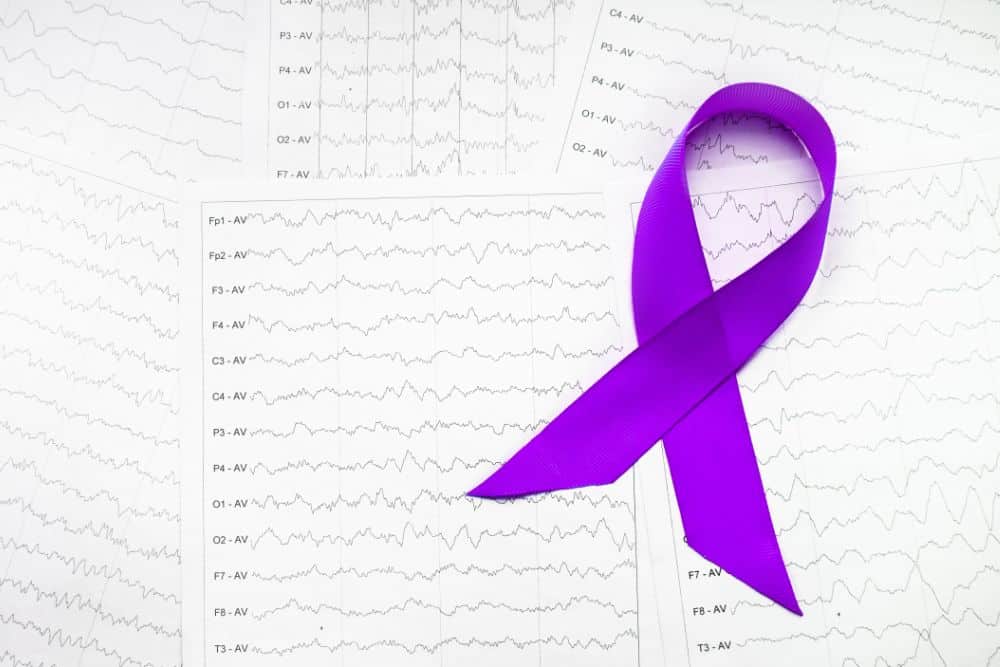
In recent years, medical marijuana has become a subject of interest to many researchers and patients suffering from various diseases, including epilepsy. In this article, we will focus on the use of medical marijuana in epilepsy therapy. Can medical marijuana be a way to bring relief to patients struggling with epilepsy?
What will you learn from this article?
👉 What are the causes and most important symptoms of epilepsy?
👉 Can medical marijuana prove to be support for people suffering from this disease?
👉 How can medical marijuana be used in the treatment of epilepsy?
👉 What do research studies say about the use of medical marijuana in epilepsy therapy?
Table of contents:
- Epilepsy – causes of the disease
- Symptoms of epilepsy
- Medical marijuana and epilepsy – most important information
- 👩⚕️ Effectiveness of medical marijuana in treating epilepsy
- Epilepsy – medical marijuana can affect the course of the disease
- There are many ways to treat epilepsy 🩺
- Supporting epilepsy treatment with medical marijuana
- Potential benefits resulting from the use of medical marijuana
- The future of medical marijuana in the treatment of epilepsy 🔬
- Summary
Epilepsy – causes of the disease
Epilepsy is a neurological disease characterized by recurrent epileptic seizures, which result from disturbances in the electrical activity of the brain. The causes of epilepsy can be varied and are not always clearly defined.
In some cases, epilepsy can have a genetic basis, where mutations in certain genes can predispose to the occurrence of the disease. Other causes of epilepsy may include brain damage caused by injuries, brain inflammation, brain tumors, congenital defects, brain hypoxia during childbirth, or even abnormal brain structure.
The underlying mechanism of epilepsy is excessive neuronal excitability in the brain, which leads to excessive discharge of electrical impulses and the development of epileptic seizures.
Symptoms of epilepsy
Epilepsy symptoms can vary depending on the type and course of the disease and the area of the brain involved in seizures. Below we present the most common symptoms of epilepsy:



👉 Seizures
They constitute a characteristic symptom of epilepsy. They can take various forms, such as:
- Partial seizures: They manifest as sudden and abnormal behavior, muscle twitches, sensory or mental disturbances.
- Generalized seizures: They manifest as loss of consciousness, muscle rigidity, involuntary movements, sudden falls or involuntary urination.
👉 Mental disorders
People with epilepsy often experience mood changes, anxiety, depression, as well as difficulties in concentration and remembering information.
👉 Neurological disorders
They can include tremors, balance and coordination problems, speech difficulties or loss of sensation.
Symptoms of epilepsy can vary in different people. In case of suspected epilepsy, consultation with a doctor is necessary to perform appropriate diagnostic tests and establish a treatment plan.
Medical marijuana and epilepsy – the most important information
Medical marijuana contains chemical compounds known as cannabinoids, the most important of which are delta-9-tetrahydrocannabinol (THC) and cannabidiol (CBD). THC is responsible for the psychoactive effects of marijuana, while CBD does not cause psychoactive effects. However, both substances have the potential to affect the electrical activity of the brain, which is key in the treatment of epilepsy.
According to research conducted by Devinsky [1], CBD has shown effectiveness in treating seizures in patients with Dravet syndrome, a rare form of treatment-resistant epilepsy. Furthermore, research conducted by Devinsky [2] showed that the addition of CBD to standard therapy brings benefits to patients with severe epilepsy associated with Lennox-Gastaut syndrome.
👩⚕️ Effectiveness of medical marijuana in treating epilepsy
Clinical research has shown that medical marijuana can have a beneficial effect on seizure control. According to research conducted by Gloss a[3], CBD demonstrates moderate to strong effectiveness in reducing the frequency of seizures in patients with various forms of epilepsy. These results are consistent with the results of other studies, which also suggest benefits associated with the use of medical marijuana in the treatment of epilepsy.
It is worth noting, however, that the effectiveness of medical marijuana may vary depending on individual patient characteristics. Some patients may experience greater improvement than others. It is important to conduct regular consultations with a doctor and monitor the effects of therapy in order to adjust doses and treatment strategies.
Medical marijuana opens new doors in epilepsy therapy, offering hope where traditional treatment methods may fail. Its ability to reduce the frequency and intensity of seizures can bring new possibilities for patients.
Lucas Cysewski – president and founder of VapeFully
Epilepsy – medical marijuana can affect the course of the disease
Medical marijuana can affect the course of epilepsy in several ways. First and foremost, cannabinoids contained in marijuana, such as CBD, have anticonvulsant properties that can help control seizures. By affecting the endocannabinoid system in the body, medical marijuana can regulate electrical activity in the brain, reducing excessive neuronal excitability responsible for seizures.
Additionally, medical marijuana exhibits anti-inflammatory properties. Epilepsy is often associated with inflammatory processes in the brain, which can contribute to worsening symptoms. By reducing inflammatory states, marijuana can alleviate accompanying symptoms and improve the overall functioning of the patient.
It should be noted, however, that the effect of medical marijuana on the course of epilepsy can differ depending on the individual characteristics of the patient. Each organism reacts differently to cannabinoids, which is why it is important to monitor the effects of therapy and adjust the dose based on individual needs.
There are many ways to treat epilepsy 🩺
It is also important to emphasize that medical marijuana is not the only way to treat epilepsy. There are many other therapeutic options, such as traditional antiepileptic drugs, ketogenic diet, or surgical procedures. The decision to use medical marijuana should be made in cooperation with a specialist doctor who can assess the benefits and risks associated with its use.
Medical marijuana, due to its anti-convulsant and anti-inflammatory properties, can have a positive effect on the course of epilepsy. Cannabinoids contained in marijuana can help control seizures and reduce inflammation associated with the disease.
Each case of epilepsy is unique, which is why it is important to consult with a doctor before starting medical marijuana therapy and to monitor its effects during treatment.
Supporting epilepsy treatment with medical marijuana
Medical marijuana can be used as a supplement to other forms of epilepsy treatment to maximize the effectiveness of therapy. How can supporting epilepsy therapy with medical marijuana look?
✅ Cooperation with a doctor
In the case of treating epilepsy with medical marijuana, it is important to maintain close cooperation with a specialist doctor. The doctor can adjust dosing, monitor progress, and assess whether the therapy is effective and safe.
✅ Choosing the right medication
There are many different varieties of medical marijuana that contain different proportions of cannabinoids, such as CBD and THC. Some strains may be more effective in alleviating epilepsy symptoms. By working with a doctor and specialists, you can select the right medication that best meets the individual needs of the patient.
✅ Monitoring effects and side effects
During medical marijuana treatment, it is important to regularly monitor the effects of therapy and any potential side effects. The patient and doctor should track the frequency and severity of seizures, as well as assess the patient’s overall well-being and functioning.
✅ Patient and family education
The patient and their family should be properly informed about medical marijuana, its action, possible side effects and potential benefits. It is important to have a full understanding of the therapy and be aware of any legal and regulatory issues related to medical marijuana.
Medical marijuana can provide valuable support in the treatment of epilepsy, but it should be remembered that each case of epilepsy is unique, and the body’s response to medical marijuana may vary.
Potential benefits resulting from the use of medical marijuana
Beyond reducing the frequency and severity of seizures, medical marijuana can bring other benefits to patients suffering from epilepsy. According to research conducted by Rosenberg [4], CBD may have anti-inflammatory action, which can help in reducing inflammatory conditions associated with the disease. Additionally, medical marijuana can alleviate accompanying symptoms such as anxiety, depression or concentration difficulties.
Future of medical marijuana in epilepsy treatment 🔬
Due to promising research results, medical marijuana is gaining increasing recognition among doctors and patients. Nevertheless, there is a need for further research to understand the full potential of medical marijuana in epilepsy treatment. Legal regulations are also necessary to ensure appropriate conditions for using medical marijuana as therapy for patients with epilepsy.




Summary
Medical marijuana has the potential to play an important role in epilepsy treatment therapy. Research indicates the beneficial effects of marijuana on seizure control, as well as on reducing inflammatory states and alleviating accompanying symptoms. These results are consistent with scientific findings conducted by various researchers. Increasing awareness about medical marijuana in epilepsy treatment therapy is crucial for providing patients with appropriate treatment options and improving their quality of life.
Bibliography:
- Devinsky, O., Cross, J. H., Laux, L., Marsh, E., Miller, I., Nabbout, R., Scheffer, I. E., Thiele, E. A., Wright, S. (2017). Trial of Cannabidiol for Drug-Resistant Seizures in the Dravet Syndrome. The New England Journal of Medicine, 376(21), 2011-2020. https://pubmed.ncbi.nlm.nih.gov/28538134/
- Devinsky, O., Patel, A. D., Cross, J. H., Villanueva, V., Wirrell, E. C., Privitera, M., Greenwood, S. M., Roberts, C., Checketts, D., VanLandingham, K. E., Zuberi, S. M. (2018). Effect of Cannabidiol on Drop Seizures in the Lennox-Gastaut Syndrome. The New England Journal of Medicine, 378(20), 1888-1897. https://pubmed.ncbi.nlm.nih.gov/29768152/
- Gloss, D., Vickrey, B. (2019). Cannabinoids for Epilepsy. Cochrane Database of Systematic Reviews, 3, CD009270. https://pubmed.ncbi.nlm.nih.gov/24595491/
- Rosenberg, E. C., Tsien, R. W., Whalley, B. J., Devinsky, O. (2017). Cannabinoids and Epilepsy. Neurotherapeutics, 14(3), 747-768. https://pubmed.ncbi.nlm.nih.gov/26282273/

 (4.7/5)