




Are you struggling with sleep problems? If so, you are probably looking for effective solutions. This article will discuss a key topic – the effect of CBD on sleep. We will try to determine whether and how this substance derived from hemp can help in treating insomnia or other sleep-related problems. Additionally, you will learn what form and dose of CBD is worth choosing to achieve the desired results. To learn more, we invite you to read carefully.
What will you learn from this article?
👉 How can CBD help with insomnia?
👉 What forms of CBD for sleep are available?
👉 How to best use CBD to improve sleep quality?
Table of contents:
Does CBD help with sleep? 😴
The question – what is CBD often comes up when searching for a good method to improve sleep. CBD, or cannabidiol, is one of the active substances, so-called cannabinoids, present in hemp. The effect of CBD on the body is complex and concerns many different mechanisms. On one hand, cannabidiol affects the so-called serotonin receptors in the brain, which has a direct impact on improving mood and reducing stress. On the other hand – interaction with cannabinoid receptors can affect the regulation of the circadian cycle, which results in better falling asleep and sleep quality.
CBD has repeatedly attracted the attention of scientists due to promising research suggesting that it may help with sleep. The aim of the research is to understand the action of cannabidiol, which is one of the main active compounds of hemp. Interestingly, unlike other cannabinoids, such as THC, CBD does not produce psychoactive effects. Due to this specificity, products containing this compound, such as CBD flower or CBD oil, can help with sleep, without affecting the user’s state of consciousness.
CBD for insomnia 🛌
CBD is increasingly being considered as an alternative to traditional insomnia medications. Preliminary research and user experiences suggest that it may help treat insomnia by improving sleep quality. This helps regulate the circadian rhythm and improves the body’s regeneration during rest. Additionally, CBD may also help with anxiety and anxious states – conditions that often go hand in hand with sleep problems. By reducing anxiety and stress, CBD influences improved sleep quality, which translates to better overall well-being and daily functioning.


What CBD for sleep 🤔
When we think about CBD for sleep, it is important to know which formula will be the most appropriate. The choice is wide, but one of the most important elements to consider is the ratio of CBD to CBDA. CBD, or cannabidiol, is the most commonly used cannabinoid in products to improve sleep. It is the “active” form, ready for immediate action on our body.
On the other hand, CBDA is the so-called acidic precursor of CBD, which in our body is converted to CBD, which may be associated with a longer duration of action. Both have their advantages, and the choice depends on individual needs and expected effects.
🍀 CBD Flower for Sleep
A popular product used to improve sleep quality is CBD flower. This form can be attractive for people who prefer more “natural” consumption methods, such as inhalation. CBD Flower is simply dried and prepared hemp flowers that contain a high concentration of CBD. Inhalation of flower ensures rapid and effective action, as cannabinoids are absorbed directly into the bloodstream through the lungs. This can be a good solution for people who have trouble falling asleep and need a quick effect.
🧴 CBD Oil for Sleep
Oil containing CBD for sleep is another form worth considering. CBD oil is an extract from hemp suspended in vegetable oil, usually hemp or olive oil. Administering it sublingually (under the tongue) ensures good absorption and effective action. The ability to dose precisely is one of the advantages of this form of taking CBD. Many scientific studies point to a connection between CBD and insomnia, which is why such CBD oil can have a positive effect on improving sleep quality and reducing insomnia symptoms. Final results may depend on many factors, such as dose, form of CBD, or individual characteristics of the body.
🍬 CBD Gummies for Sleep
Another form of delivering CBD for sleep are CBD gummies. These tasty products are popular due to their ease of use and pleasant taste. Gummies usually contain CBD in edible form, which makes them well tolerated and does not cause any adverse effects. More and more people with sleep problems are looking for new methods to improve the quality of rest. Such are CBD gummies – easy to take and able to affect deep, restorative sleep.
💨 CBD Isolate for Sleep
However, there is also an alternative for those looking for a pure form of CBD. CBD Isolate is purified cannabidiol that can be consumed on its own or added to meals or drinks. Isolate, due to its form, is devoid of other cannabinoids, which allows for more precise dosage control. Its use is easy and convenient, making it effectively utilize the therapeutic properties of CBD, for the benefit of our nightly wanderings in the land of Morpheus.
CBD for Sleep – How to Use?
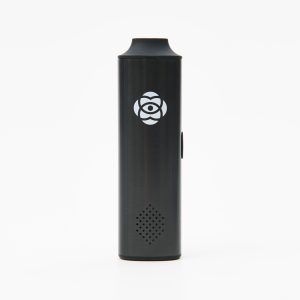
Once you choose a form of CBD, it’s worth considering the method of its use. For CBD flower, an excellent solution could be Vaporizers. They allow inhalation of cannabinoids without unhealthy combustion products that appear during smoking. Vaporizers are devices that heat the flower to a temperature at which cannabinoids, including CBD, transition to the gas phase, creating vapor for inhalation. This is not only an effective but also a convenient method – inhalation ensures rapid action and precise dosing, and the procedure itself is very simple. The choice of the right Vaporizer depends on user needs, there are both stationary and portable models available.
CBD can be a gentle lullaby for our mind, helping us find peace and deep sleep that we so often need.
Lucas Cysewski – president and founder of VapeFully
How much CBD for sleep?
The question of how much CBD to use for sleep is extremely important, but the answer is not always straightforward. CBD dosing depends on many factors, including individual body characteristics, body weight, or the severity of the sleep problem experienced. Usually, it is recommended to start with a low dose, gradually increasing it until the desired effects are achieved. It is exceptionally important to choose appropriate doses and to remember that after consuming a CBD product, driving a car is inadvisable. Despite the fact that CBD is not a psychoactive substance, large doses can cause drowsiness. As with any dietary supplement, it is always worth consulting its use with a doctor or pharmacist.



CBD for sleep – summary
Does CBD help with sleep? After reading the article, we can conclude that the potential of cannabidiol in improving sleep quality is promising. The choice of CBD form, such as dried flower, isolate, oils or gummies, depends on our individual preferences. The same applies to dosing – there is no one universal scheme here, it is worth starting with small doses, gradually increasing them. Let us remember, however, that despite promising research, specific effects may depend on many factors and may not be the same for everyone. We invite you to the VapeFully shop, where you will find various forms of CBD and advice on their use!
Bibliography:
- Rylea M. Ranum, Mary O. Whipple, Ivana Croghan, Brent Bauer, Loren L. Toussaint, and Ann Vincent. Use of Cannabidiol in the Management of Insomnia: A Systematic Review. Cannabis and Cannabinoid Research. Apr 2023.213-229. http://doi.org/10.1089/can.2022.0122
- Moltke, J., Hindocha, C. Reasons for cannabidiol use: a cross-sectional study of CBD users, focusing on self-perceived stress, anxiety, and sleep problems. J Cannabis Res 3, 5 (2021). https://doi.org/10.1186/s42238-021-00061-5
- Kaul, M., Zee, P.C. & Sahni, A.S. Effects of Cannabinoids on Sleep and their Therapeutic Potential for Sleep Disorders. Neurotherapeutics 18, 217-227 (2021). https://doi.org/10.1007/s13311-021-01013-w
- Stueber A, Cuttler C. A large-scale survey of cannabis use for sleep: preferred products and perceived effects in comparison to over-the-counter and prescription sleep aids. Explor Med. 2023;4:709-19. https://doi.org/10.37349/emed.2023.00171
- Kesner AJ and Lovinger DM (2020) Cannabinoids, Endocannabinoids and Sleep. Front. Mol. Neurosci. 13:125. https://doi.org/10.3389/fnmol.2020.00125
 (4.7/5)